



Introduction
Changing seasons bring noticeable shifts in temperature, daylight, and weather patterns, and you may wonder: how do changing seasons affect our lifestyle? The answer is that each season influences our energy levels, mood, daily routines, and even eating habits. For example, during colder months, people often feel less energetic and may crave comfort foods, while warmer seasons encourage outdoor activity and social gatherings. Understanding these patterns can help you adjust your lifestyle for better health, productivity, and overall happiness. By exploring how seasonal changes impact sleep, diet, exercise, and mental health, you can prepare for each season proactively and thrive throughout the year.
1. Impact on Energy and Productivity
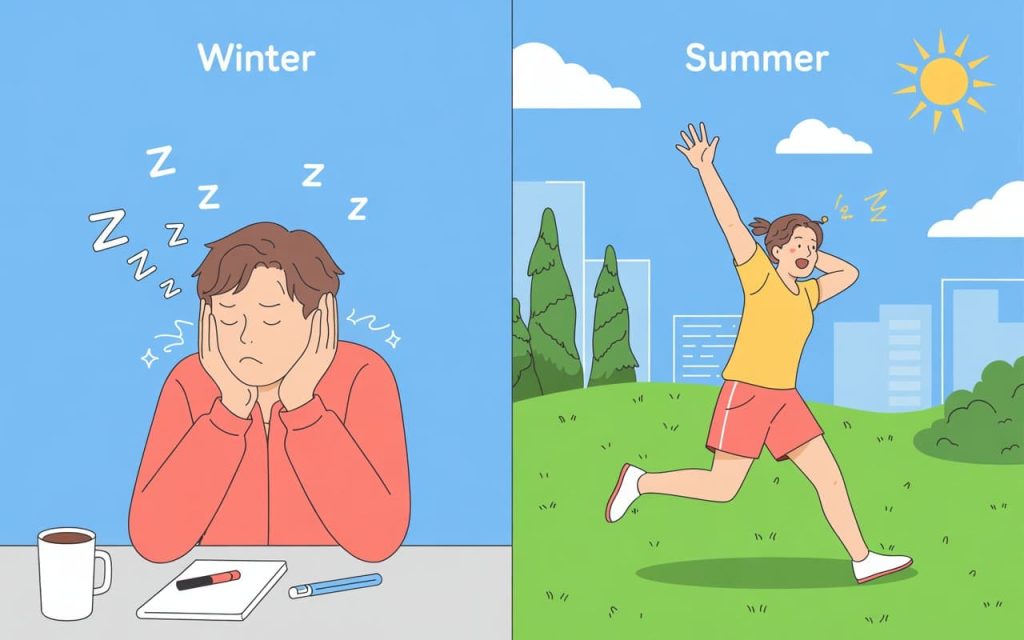
One key question people ask is: how do changing seasons affect our lifestyle in terms of energy and productivity? Seasonal changes can alter our circadian rhythms, which are natural body clocks regulating sleep and alertness. Shorter days in winter may cause fatigue or the infamous “winter blues,” while longer daylight in summer can boost energy and motivation. To adapt, consider adjusting your daily routines—like scheduling demanding tasks during peak daylight hours, exercising in the morning, or using natural light strategically. By aligning your activities with the seasonal energy patterns, you can maintain high productivity and avoid burnout. This shows that understanding how changing seasons affect our lifestyle is crucial for personal and professional well-being.
2. Influence on Diet and Nutrition
Another important way how changing seasons affect our lifestyle is through dietary habits. Seasonal changes often dictate the availability of fresh fruits, vegetables, and local foods. For instance, summer encourages lighter meals like salads and smoothies, while winter naturally leads to warmer, hearty dishes. Eating according to the season can improve digestion, boost immunity, and increase energy. Moreover, being aware of seasonal nutrient needs, such as Vitamin D in winter or hydration in summer, helps maintain health. Incorporating seasonal eating habits into your lifestyle is an effective strategy to optimize well-being and align with natural rhythms throughout the year.
3. Mental Health and Mood Effects
A major aspect people overlook is how changing seasons affect our lifestyle mentally and emotionally. Seasonal shifts, particularly reduced sunlight in winter, can trigger mood swings, irritability, or Seasonal Affective Disorder (SAD). Conversely, spring and summer often bring improved mood and motivation. To counter seasonal mood dips, you can practice mindfulness, maintain social connections, and get regular outdoor exercise. Incorporating these small lifestyle changes ensures that the seasonal transitions don’t negatively impact your mental health, allowing you to stay balanced, happy, and resilient all year round.
4. Lifestyle Habits and Daily Routine Changes
Understanding how changing seasons affect our lifestyle also extends to our daily routines and habits. Winter may encourage more indoor activities, cozying up with books or movies, while summer promotes travel, outdoor sports, and socializing. Adapting routines to seasonal changes ensures you remain productive, healthy, and engaged. For instance, adjusting workout times, incorporating seasonal hobbies, or changing wardrobe choices can make life smoother. Embracing season-specific lifestyle habits ensures that every season contributes positively to your well-being rather than disrupting your normal routine.
5. Social Life and Family Activities
Finally, how changing seasons affect our lifestyle socially is significant. Seasons influence social gatherings, family traditions, and outdoor activities. Summer and spring encourage events, parties, and vacations, while fall and winter are perfect for cozy family bonding and indoor hobbies. Planning activities according to the season can enhance relationships, mental health, and overall satisfaction with life. By being mindful of these seasonal social patterns, you can create a lifestyle that balances work, leisure, and relationships throughout the year.
6. Effects on Sleep Patterns
One important area to explore is how do changing seasons affect our lifestyle, particularly in terms of sleep. Seasonal shifts influence the amount of daylight, which directly affects melatonin production—the hormone that regulates sleep. Longer summer days may cause later bedtimes, while shorter winter days can trigger earlier sleep patterns. These changes can impact energy, focus, and overall health. To adapt, consider maintaining a consistent sleep schedule, using blackout curtains in summer, and exposing yourself to sunlight in winter. Small adjustments, like adjusting bedtime routines or practicing evening relaxation techniques, ensure that seasonal changes don’t disrupt sleep. Understanding this aspect of how changing seasons affect our lifestyle helps maintain physical and mental balance while maximizing daily productivity throughout the year.

7. Exercise and Physical Activity
Another way how do changing seasons affect our lifestyle is through exercise habits. Warmer seasons often encourage outdoor activities like jogging, swimming, or cycling, while colder seasons may limit outdoor exercise, leading people to skip workouts. Seasonal changes can also impact motivation, stamina, and injury risk. To maintain fitness year-round, it’s essential to adapt workouts to the season—for example, indoor gym routines or yoga during winter, and outdoor cardio in summer. Incorporating seasonal activities not only keeps you fit but also enhances mental health and energy levels. Being proactive about seasonal lifestyle adjustments ensures that your exercise routine remains consistent, regardless of the weather, and supports overall wellness throughout the year.
8. Immune System and Seasonal Health
Seasonal changes can influence how do changing seasons affect our lifestyle by impacting our immune system and susceptibility to illnesses. Winter months often bring flu and cold viruses, while summer can increase exposure to allergens. Being mindful of seasonal health challenges allows you to adjust diet, hydration, and preventive measures like vaccines, supplements, or hygiene practices. Incorporating seasonal fruits and vegetables, staying hydrated in summer, and layering clothing in winter are practical ways to protect your health year-round. Understanding these patterns is a key part of knowing how changing seasons affect our lifestyle, helping you stay healthy and active regardless of the weather.
9. Work-Life Balance Adjustments
Seasonal changes also impact how do changing seasons affect our lifestyle in terms of work-life balance. Longer summer days may encourage more socializing and outdoor activities after work, while shorter winter days may limit activity and promote indoor routines. Adjusting your schedule to the seasons can improve productivity, focus, and personal satisfaction. For instance, summer evenings can be dedicated to hobbies and outdoor family time, while winter mornings may be ideal for reflection, planning, or indoor skill-building. By recognizing these seasonal trends, you can design a balanced lifestyle that aligns work, leisure, and personal development with natural rhythms.

10. Environmental Awareness and Lifestyle Choices
Finally, understanding how do changing seasons affect our lifestyle can also foster environmentally conscious decisions. Seasonal awareness can guide choices like using energy-efficient heating in winter, conserving water in summer, or choosing seasonal produce to reduce carbon footprint. These lifestyle adjustments not only benefit your personal well-being but also support sustainable living. By aligning daily habits with natural seasonal cycles, you cultivate a lifestyle that respects both health and the environment. This broader perspective reinforces the importance of observing seasonal patterns and adapting proactively, completing the holistic understanding of how changing seasons affect our lifestyle.
Conclusion
In summary, understanding how changing seasons affect our lifestyle is essential for maintaining health, energy, mood, and productivity. By aligning your routines, diet, social habits, and mental health practices with seasonal patterns, you can thrive in every season. Paying attention to seasonal changes not only improves your lifestyle but also enhances your overall well-being, allowing you to live a balanced, happy, and fulfilling life all year round.